
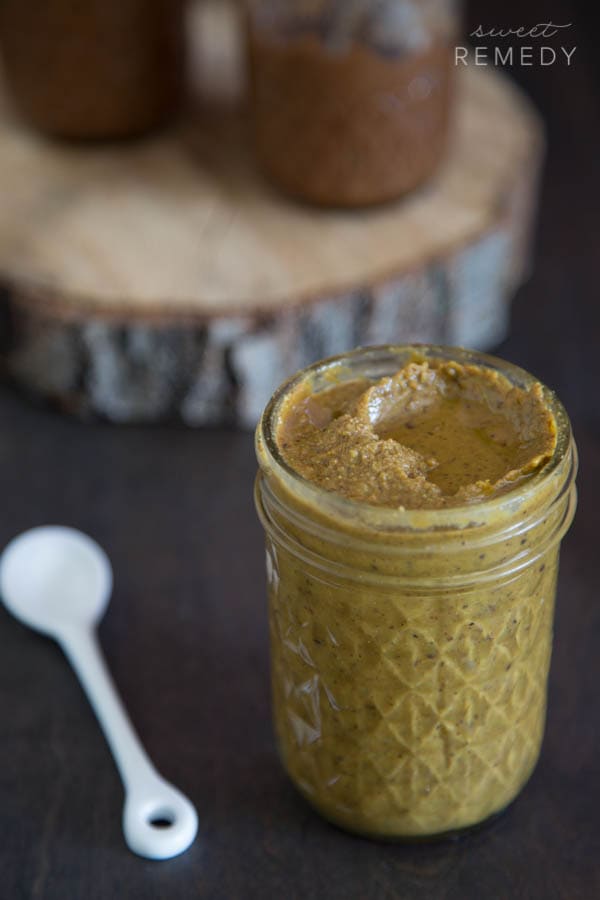
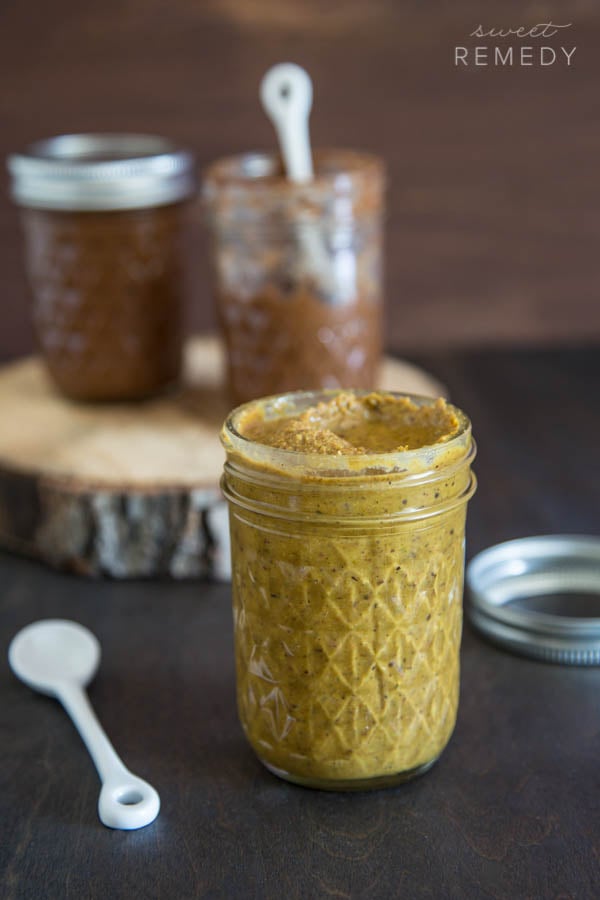
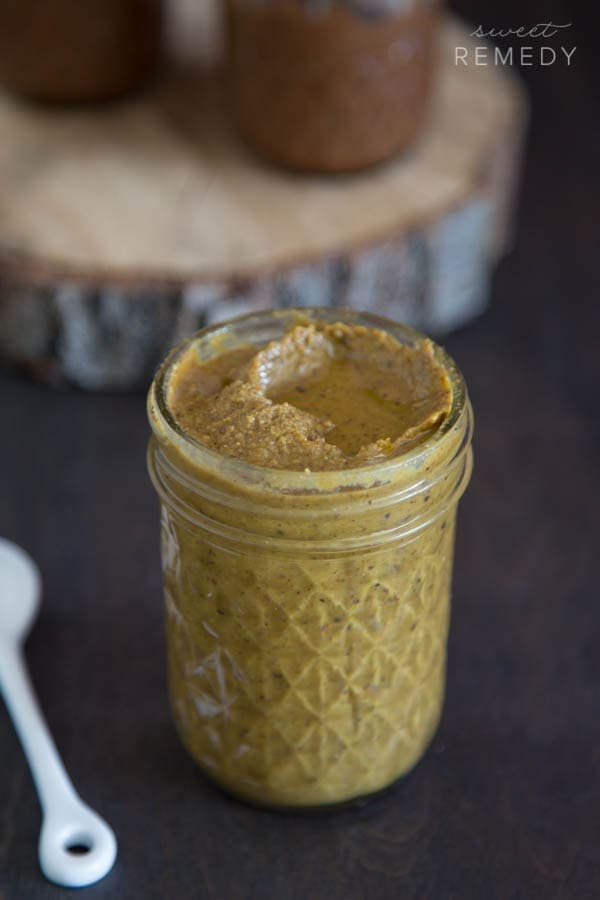
Homemade Pistachio Walnut Butter might just be the most expensive butter I’ve ever had the pleasure of eating. Some things are well worth the price!
Pistachios are a special kind of nut. They are hard to crack open and elusive when you get that one nut that just won’t open.
Pistachios used to come in two colors, red and green. I found myself wondering what happened to the red pistachios that I loved as a kid.
I stumbled upon this post via The Kitchn about how red pistachios were actually died red to cover up stained shells as they were imported from the Middle East. According to the post, now all the pistachios found in the United States are grown in California and the harvesting methods no longer stain the shells so there is no need to dye the nuts.
Who knew?!
That seems crazy to me! Who cares about stains on shells? They still taste delicious and the shell (stained or not) ends up in the trash or compost bin anyway, so who’s losing sleep over a stained nutshell?
Clearly not me.
So there you have it, your fun fact of the day. Red pistachios were never really red at all. I’m kind of sad about this fact. Anyone else?
I got a little nostalgic when I found already shelled pistachios in the store and knew I had to snap them up to make something really special.
I decided on homemade pistachio butter and went to work.
I only bought a small bag of pistachios so once I got the food processor up and running, I quickly realized I needed more nuts. In a panic, I added walnuts, and as many happy baking accidents go, the end result was actually pretty great.
How many times have you been stuck in a pinch while making a recipe? For me, it is more than I’d like to admit.
I had the nut butter whipped up in no time and immediately slathered it on a slice of whole grain sandwich bread. It was creamy nut butter heaven!
WHAT TYPES OF NUTS ARE GOOD FOR MAKING HOMEMADE NUT BUTTER?
You’ve likely heard of the classics, peanut butter and almond butter, but they don’t deserve all the glory. Other delicious options are hazelnut, macadamia, and cashew.
Seed butters are also great tasting and good for you – think tahini and sunflower seed butter.
WHAT ARE THE HEALTH BENEFITS OF PISTACHIOS?
Nuts in general are high in protein, and pistachios specifically contain a good dose of Vitamin B, which is vital for converting calories into energy.
WHAT ARE THE HEALTH BENEFITS OF WALNUTS?
Walnuts are high in protein and loaded with omega-3 fatty acids (the good kind!) that are great for lowering cholesterol and blood pressure.
DO I NEED SPECIAL EQUIPMENT FOR MAKE HOMEMADE NUT BUTTER?
You’ll need a food processor for this recipe.
DOES PISTACHIO WALNUT BUTTER GO BAD?
Homemade nut butters typically have a shelflife of 1 – 2 months if stored in an airtight container in a cool, dry place.
WILL HOMEMADE NUT BUTTER LAST LONGER IF I REFRIGERATE IT?
Yes, storing in the refrigerator in an airtight container will extend the life of the nut butter, but it will also change the texture. If you plan to store it in the fridge, set it on the counter to temper to room temperate before using. The nut butter will be very firm and will not be spreadable when cold.
WHAT’S THE DEAL WITH SOAKING VERSUS NOT SOAKING RAW NUTS BEFORE USE?
Some people like to soak nuts before using them in recipes or eating them raw. This is done because the enzymes in nuts are sometimes hard for the human body to digest.
If you wish to soak the nuts before using them in this recipe, soak the pistachios and walnuts overnight in a large bowl of water and cover with a dishtowel. You will need enough water to cover them, generally 2 times the amount of nuts.
After soaking, preheat your oven to a low degree, such as 100 degrees F, and arrange nuts on a baking sheet. Bake to dehydrate the nuts until dry (About 10-12 hours). You can also use a dehydrator for this process.
WHY ARE PISTACHIOS SO EXPENSIVE?
This is a really complex issue, but it can essentially be boiled down to a few factors – pistachio trees take ages to grow, they are sensitive plants that won’t flourish in many climates, and they need to be sorted by hand. Add those complications to the fact that they’re insanely popular, and it’s a recipe for a steep ticket price.
INGREDIENTS YOU’LL NEED FOR THIS NUT BUTTER RECIPE:
- Nuts. Yep, that’s it!
MORE SPREAD + JAM RECIPES!
Homemade Pistachio Walnut Butter

It's really satisfying to make your own nut butter and pistachio walnut butter is the perfect introduction. You don't need any other ingredients, just walnuts and pistachios. The natural oils in the nuts do most of the work for you!
Ingredients
- 1 cup pistachios, shelled
- 1 1/2 cups walnuts
Instructions
- Add the pistachios and walnuts to a food processor and process for 2 minutes.
- After 2 minutes, if needed, scrape down the sides of the food processor bowl with a spatula and continue to process until the mixture if creamy. This can take anywhere from 5-10 minutes.
- Once creamy, use a spatula to scoop the nut butter into an airtight container, such as a mason jar with a lid.
- Store in the pantry for 1 - 2 months.
Notes
Some people like to soak nuts before using them in recipes or eating them raw. This is done because the enzymes in nuts are sometimes hard for the human body to digest.
If you wish to soak the nuts before using them in this recipe, soak the pistachios and walnuts overnight in a large bowl of water and cover with a dish towel. You will need enough water to cover them, generally 2 times the amount of nuts.
After soaking, preheat your oven to a low degree, such as 100 degrees F and arrange nuts on a baking sheet. Bake to dehydrate the nuts until dry (About 10-12 hours). You can also use a dehydrator for this process.
Recommended Products
This post contains affiliate links. I will make a small commission if you make a purchase through one of these links, at no extra cost to you.


Nutrition Information:
Yield:
16Serving Size:
1Amount Per Serving: Calories: 108Total Fat: 10gSaturated Fat: 1gTrans Fat: 0gUnsaturated Fat: 8gCholesterol: 0mgSodium: 33mgCarbohydrates: 3gFiber: 1gSugar: 1gProtein: 3g
Nutrition information isn’t always accurate. You may want to spot check this information.
Frequently Asked Questions
Can I use raw pistachios or do they need to be roasted?
The post doesn’t specify whether roasted or raw pistachios were used, but for the best flavor and easiest processing, roasted pistachios are typically the better choice since they’re more flavorful and have a higher oil content that helps create that smooth, creamy butter texture. If you only have raw pistachios on hand, you can roast them yourself in a 350°F oven for about 10-15 minutes before processing.
How long does homemade pistachio walnut butter last?
The post doesn’t specify storage time, but homemade nut butters generally last 2-3 weeks in the refrigerator or up to a month in the freezer since they lack the preservatives found in commercial versions. Since this blend contains both pistachios and walnuts (which have different fat profiles), storing it in an airtight container in the fridge is your best bet to keep it fresh and prevent the oils from going rancid.
What’s the best oil to add to pistachio butter?
The post doesn’t specify which oil to use, but since this is a homemade butter made primarily from pistachios and walnuts, a neutral-flavored oil like coconut or grapeseed oil works well without overpowering the nuts’ delicate flavors. You’d only need a tablespoon or two to help the food processor along if the mixture seems too thick—the nuts will naturally release their own oils as they process.
Can I make this without a food processor?
A food processor really is essential for this recipe since you need to blend the nuts down to a smooth, creamy butter consistency—it takes quite a bit of continuous processing to break down the oils and create that spreadable texture. If you don’t have a food processor, a high-powered blender could work as an alternative, though you may need to work in smaller batches and be patient with the blending time.
How do I prevent my nut butter from being too oily?
The good news is that nut butters naturally release their oils as they’re processed, so some oil is totally normal and actually makes the butter spreadable! If you end up with excess oil pooling on top, you can either stir it back in for a creamier consistency or drain some off if you prefer a thicker butter. The key is using a food processor and being patient—the friction from blending breaks down the nuts and releases those oils gradually, which is exactly what you want for that perfect butter texture.
How to Make Pistachio Walnut Butter (Step by Step)
Making this butter is honestly simpler than you’d think—just grab your food processor and let it do the heavy lifting. Add your shelled pistachios and walnuts to the processor and pulse until they’re broken down into smaller pieces, then run it on high for about 8-10 minutes, scraping down the sides every couple of minutes as needed. You’ll notice the nuts go from crumbly to clumpy to creamy as the natural oils release, so be patient and don’t give up when it looks like a mess halfway through. Once you reach that smooth, spreadable consistency, you’re done—no added oils or sweeteners needed unless you want them. Store your homemade butter in an airtight container in the fridge for up to two weeks, though honestly, it’ll probably disappear much faster than that.
Best Nuts for Homemade Nut Butter
Pistachios are the star here, but honestly, they’re pricey when you’re making butter by the batch—I learned this the hard way! Walnuts are the perfect partner because they’re more budget-friendly, add a lovely earthiness, and help stretch your ingredient list without compromising the final flavor. If you can’t find shelled pistachios, roasted and salted ones work great too, though you might want to go light on added salt in your recipe. The key is using fresh nuts; stale ones will make your butter taste flat and dull, so buy from a store with good turnover if possible.
Pistachio Almond Butter Variation
This variation swaps out the walnuts for almonds, creating a slightly milder and more delicate flavor profile that lets the pistachio shine through. Almonds add a subtle sweetness and buttery texture without overpowering those precious pistachios, making this blend perfect if you want the nuttiness to be the real star. The almond-pistachio combo is also a bit more refined for gift-giving or serving at brunch—it feels fancier somehow, even though it’s just as easy to make. Stick with a 2:1 pistachio-to-almond ratio so you’re not skimping on those expensive pistachios you splurged on, and process the same way until you reach your desired consistency.
Storing Homemade Nut Butter (What You Need to Know)
Keep your pistachio walnut butter in an airtight container in the refrigerator for up to two weeks, though honestly it’ll probably disappear much faster than that. The natural oils in nuts can go rancid if left at room temperature for extended periods, so cold storage is your friend here. If you want to extend the shelf life even longer, you can freeze it in ice cube trays and pop out individual portions whenever you need them—perfect for smoothie bowls or quick snacks. Just remember that the butter may separate slightly as it sits, with the natural oils rising to the top, so give it a good stir before using. This isn’t a sign of spoilage; it’s totally normal and actually means you’re not dealing with any stabilizers or additives.
Troubleshooting Nut Butter Consistency Issues
The most common problem you’ll run into is a nut butter that’s too thick or grainy, which usually happens when you don’t process long enough or your food processor isn’t powerful enough to fully break down the nuts’ natural oils. If your butter seems stuck in that dry, crumbly stage, keep processing—it can take 8-10 minutes total, and patience really does pay off here. If you’ve already added both pistachios and walnuts like I did and things still aren’t cooperating, try adding just a teaspoon of neutral oil (coconut or vegetable work great) to help things along, though your nuts should eventually release enough of their own oils to get creamy. On the flip side, if your butter turns out too thin and oily, you simply added too many nuts to too small a batch, or your room was warm enough that the oils really loosened up—just refrigerate it and it’ll firm up nicely.
Ways to Use Pistachio Walnut Butter
This butter is incredibly versatile, so don’t just spread it on toast and call it a day. Swirl it into yogurt or oatmeal for a protein-packed breakfast, drizzle it over vanilla ice cream for an elegant dessert, or use it as a dip for apple slices and crackers. It’s also fantastic baked into brownies, blended into smoothies, or thinned out with a little milk to create a creamy salad dressing with serious nutty depth. The slightly sweet, earthy flavor pairs beautifully with both sweet and savory applications, making it one of those special homemade ingredients that transforms simple dishes into something memorable.
🛒 Shop the tools I used in this recipe
- KitchenAid Stand Mixer Bowl
- KitchenAid 7-Cup Food Processor
- Vitamix 5200 Blender
- Nordic Ware Extra-Large Baking Sheet
- OXO 3-Piece Stainless-Steel Mixing Bowl Set
Browse all my kitchen favorites in my Kitchen Essentials on Amazon.


