Use this fresh violet syrup in an array of recipes: Popsicles, cocktails, or on top of pancakes!
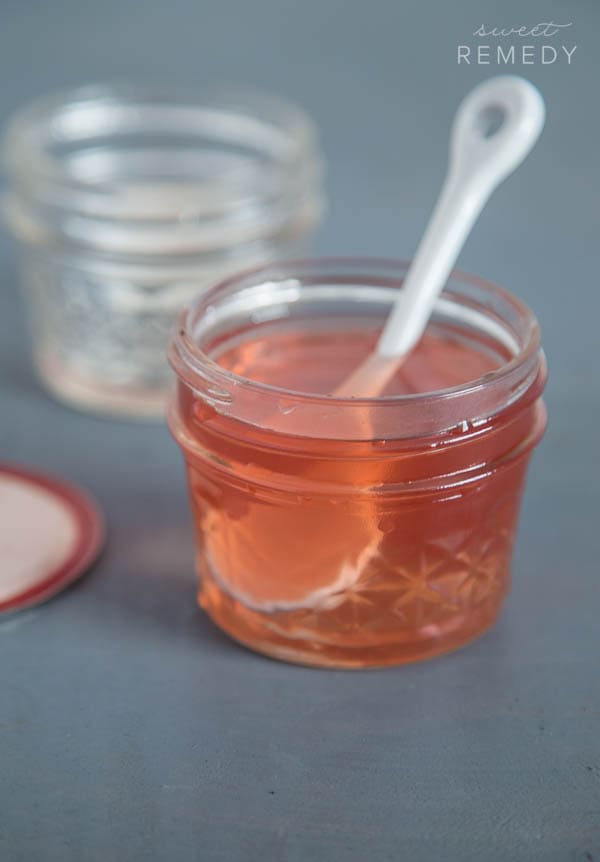
A very good friend of mine made some violet syrup and had way too many jars of it. She gave me two of the extra jars and I immediately fell in love.
I knew right away what I wanted to make and I’ll be sharing that with you that a little later this week!
How will you use this syrup? In tons of recipes, that’s how! I made Popsicles but you can also make cakes, cocktails, muffins, or cupcakes! Or drizzle on top of a huge stack of pancakes or waffles.
If you have wild violets growing in your yard, that is the best kind. But, when foraging for wild edibles, be positive you know exactly what you just picked!
The best kinds of gifts are edible ones in my opinion so when I was handed this violet syrup, I’m sure I smiled from ear to ear and was totally genuine about it.
You know how some people give you some weird present and it is like they don’t even know you?
Then there is the obvious re-gifted present. Those are the funniest.
Fresh Violet Syrup
You can use this fresh violet syrup in a variety of recipes. It is a great addition to your morning breakfast, or in a late afternoon cocktail!
Ingredients
- violet blossoms
- 1 cup sugar
- 1 tablespoon lemon juice
- 1 cup water
Instructions
- With fresh violet blossoms, fill a large mason jar.
- Cover the blossoms with boiling water and infuse for at least 2 hours.
- Drain liquid into a medium sized bowl using a strainer and discard violets.
- Measure the remaining liquid.
- For each cup of liquid, add 1 cup of sugar and juice of 1/2 lemon.
- Transfer mixture to a medium pot and bring to a boil. Pour finished mixture into sterilized small mason jars.
- Place the lids and bands on top and process for 5 minutes in a large pot of boiling water. It is useful to have a canning kit or canning tools for this step.
Notes
For this recipe, you must measure the liquid after letting the violets steep and infuse into the water. Once you have that measurement, you add 1 cup of sugar and the juice of 1/2 lemon.
For instance, after you discard the violet blossoms, if there is 2 cups of infused violet blossom liquid left you would add 2 cups of sugar and 1 whole lemon.
Recommended Products
This post contains affiliate links. I will make a small commission if you make a purchase through one of these links, at no extra cost to you.
Nutrition Information:
Yield:
4Serving Size:
4Amount Per Serving: Calories: 194Total Fat: 0gSaturated Fat: 0gTrans Fat: 0gUnsaturated Fat: 0gCholesterol: 0mgSodium: 4mgCarbohydrates: 50gFiber: 0gSugar: 50gProtein: 0g
Nutrition information isn’t always accurate. You should spot check this information.
Frequently Asked Questions
How long does homemade violet syrup last
Homemade violet syrup can last for several months when stored in the fridge, but I like to use it up within a few weeks to enjoy its fresh flavor and aroma in recipes like popsicles and cocktails.
Can you use dried violets for syrup
While you can use dried violets for syrup, I prefer using fresh ones for a more vibrant flavor and color, which is perfect for topping pancakes or making refreshing summer drinks.
What’s the best way to forage wild violets
When foraging for wild violets, be sure to pick them from a clean, pesticide-free area and only take what you need, leaving some for other foragers and for the ecosystem, so you can enjoy them in your favorite recipes like violet syrup.
Can I substitute honey for sugar in violet syrup
You can substitute honey for sugar in violet syrup, but keep in mind it will give your syrup a slightly different flavor profile, which can be interesting in recipes like cocktails or desserts.
How do you know when violet syrup is ready
You’ll know your violet syrup is ready when the flavors have melded together, the color is a beautiful purple hue, and the syrup has thickened slightly, making it perfect for using in a variety of recipes, from popsicles to pancakes.
When to Harvest Wild Violets (Timing is Everything!)
The sweet spot for harvesting wild violets is late spring, typically April through early June depending on your climate zone. Pick violets in the morning after the dew has dried but before the heat of the day wilts the delicate petals—they’re most vibrant and flavorful at this time. Look for blooms that are fully open and deeply colored; pale or drooping flowers won’t give you the best syrup flavor or that gorgeous violet hue you’re after. If you wait too long into summer, the plants start focusing energy on seed production rather than blooms, so your harvest will dwindle fast.
How to Identify Edible Violets Safely
Before you start harvesting wild violets, make absolutely sure you can distinguish them from toxic lookalikes—this is non-negotiable when foraging. True edible violets have heart-shaped leaves, five petals (usually purple, blue, or white), and a distinctive sweet fragrance when you crush a leaf. The easiest way to verify you’ve got the right plant is to check multiple identification features at once: leaf shape, flower structure, and that signature delicate scent. When in doubt, cross-reference with a reliable field guide specific to your region or ask an experienced forager in your area to confirm your ID before picking a single flower.
Creative Ways to Use Violet Syrup
Violet syrup is incredibly versatile—drizzle it over pancakes and waffles, swirl it into vanilla ice cream, mix it into cocktails and mocktails, or freeze it into elegant popsicles. You can also fold it into cake and cupcake batters for a delicate floral flavor, or use it as a filling between layers of sponge cake. For something unexpected, try stirring a spoonful into Greek yogurt, drizzling it over fresh cheesecake, or mixing it into homemade lemonades for a beautiful springtime drink. The pale purple color alone makes any dessert or beverage feel special, so don’t be shy about experimenting—this is one of those ingredients that transforms ordinary dishes into something memorable.
Violet Syrup vs. Violet Jelly: What’s the Difference?
While violet jelly sets into a thick, spreadable preserve thanks to the natural pectin in the violets and sugar, violet syrup stays liquid and pourable, making it incredibly versatile for drizzling and mixing. Jelly requires more careful cooking to reach the gel stage, whereas this syrup comes together more forgivingly without any added pectin—just simmer your violet infusion with sugar until it reaches syrup consistency. Choose jelly if you want something to spread on toast or swirl into yogurt, but reach for the syrup when you’re making popsicles, cocktails, pancake toppings, or cake glazes. The syrup’s flowing consistency also makes it perfect for layering into drinks or ribboning through ice cream, while jelly works best as a standalone spread or filling.
Troubleshooting Your Violet Syrup
If your syrup turns out too thin, simmer it a bit longer on the stove to reduce the liquid and concentrate the flavor—just watch it carefully so it doesn’t crystallize. A syrup that’s too thick can be thinned with a splash of water or lemon juice, which also brightens the delicate floral taste. If the color fades during cooking, you likely heated it too aggressively; violets are delicate flowers, so keep your heat at medium and avoid boiling vigorously. If you’re getting crystallization in your jars after a few weeks, that’s actually pretty normal with no-pectin recipes—just gently warm the jar in hot water before using it, or stir in a tiny bit more lemon juice to help break down the crystals.
Other Foraged Flower Syrups to Try
Once you’ve mastered violet syrup, you’ll want to explore other delicate flowers growing in your yard and woods. Elderflower syrup has a slightly floral, honeyed taste that works beautifully in lemonades and desserts, while dandelion syrup brings a subtle sweetness perfect for drizzling over yogurt or ice cream. Rose petals make a luxurious syrup with a romantic flavor, and if you find honeysuckle blooming nearby, it creates a naturally sweet syrup that needs barely any added sugar. Just remember to properly identify any flower before harvesting, avoid areas that may have been sprayed with pesticides, and only pick from plants you’re 100% certain are edible. Each flower syrup will have its own unique flavor profile and shelf life, so keep notes on what works best in your favorite recipes!
When to Harvest Wild Violets (Perfect Timing!)
Wild violets are best harvested in spring when they first bloom, typically from March through May depending on your climate zone. Pick the flowers early in the morning after the dew has dried but before the heat of the day sets in, as this is when they’re most fragrant and flavorful. You’ll want to harvest from plants that haven’t been treated with pesticides or herbicides, so avoid picking near roadsides or manicured lawns. Gently pinch or snip the flower heads just above the base—avoid pulling up the entire plant so it can continue growing and producing more blooms throughout the season.
How to Identify Safe Edible Violets
Before you start picking, make absolutely sure you’re harvesting true violets and not toxic look-alikes like African violets (which aren’t actually violets at all) or similar-looking poisonous plants. Edible wild violets have heart-shaped leaves, five petals, and typically grow low to the ground in shaded, moist spots—look for them in early spring when they bloom in shades of purple, blue, or white. The easiest way to confirm you’ve got the right plant is to gently crush a leaf and smell it; true violets have a distinctive sweet, slightly grassy scent that’s unmistakable. If you’re foraging for the first time, take clear photos and compare them against multiple reliable plant identification sources or, better yet, go out with an experienced forager who can show you in person. Your safety matters more than saving a trip to the store, so when in doubt, skip it and buy edible violet petals online instead.
Step-by-Step Violet Syrup Recipe
Making violet syrup at home is surprisingly simple and requires just a few ingredients—fresh violet petals, sugar, and water. Start by gently rinsing your foraged violets and removing the petals from the stems, then layer them in a glass jar with sugar to extract their natural juices overnight. The next day, strain out the petals, combine the violet-infused liquid with water and a splash of lemon juice, then simmer until it reaches a light syrup consistency—no pectin needed since the natural properties of the flowers help it set. Let it cool completely before transferring to sterilized jars, where it’ll keep in the fridge for several months, though you’ll want to use it within a few weeks for the brightest color and freshest floral flavor.
Why This Recipe Works Without Pectin
This violet syrup relies on the natural pectin found in violet petals and the power of sugar to create that lovely, syrupy consistency you’re after. By slowly simmering the violet-infused liquid with sugar, you’re essentially concentrating the flavors while allowing the mixture to naturally thicken as it cools—no commercial pectin required. The acidity from lemon juice also helps the syrup set properly and brightens the delicate floral notes so the violets don’t taste muddy or one-dimensional. This method gives you a fresher-tasting result since you’re not relying on additives, and honestly, it’s one less ingredient to hunt down at the store.
Creative Ways to Use Your Violet Syrup
This vibrant syrup is incredibly versatile—drizzle it over pancakes and waffles for a floral breakfast, blend it into cocktails for a spring-inspired drink, or freeze it into elegant popsicles perfect for warm afternoons. You can also swirl it into cake batters, cupcake frosting, or cream cheese for a gorgeous purple hue and delicate flavor. For something unexpected, try it as a glaze for roasted vegetables, a topping for yogurt and granola, or mixed into lemonade for a botanical twist. The possibilities really are endless once you have a jar of this homemade syrup on hand.
Troubleshooting Common Violet Syrup Problems
If your violet syrup turns brown or loses its vibrant color, don’t worry—this is totally normal as the delicate violet pigments oxidize over time, though it won’t affect the taste. The most common issue is ending up with syrup that’s too thin; if this happens, simmer it gently for another 5-10 minutes to reduce it further, or add a tablespoon of cornstarch mixed with water to thicken it up. If your syrup crystallizes in the jar, it simply means the sugar content is very concentrated—just warm the jar in hot water and stir it smooth, or use it as a delicious violet sugar to sprinkle on desserts. Make sure you’re using truly wild violets (not African violets or other ornamental varieties) and that you’ve picked from pesticide-free areas, since this affects both safety and final flavor. If the syrup tastes too floral or perfume-like, you’ve likely steeped the petals too long—aim for 24 hours maximum, and next batch will have a more balanced, pleasant violet taste.
How to Store Homemade Flower Syrups
Keep your homemade violet syrup in a glass jar in the refrigerator for up to several months, though the flavor stays brightest if you use it within the first 2-3 weeks. For longer storage, you can freeze it in ice cube trays so you have single servings ready for cocktails or drizzling over desserts. Make sure to use a clean, sterilized jar and always cover it tightly—this prevents mold and keeps the delicate floral notes from fading. If you notice any cloudiness or off smells, it’s time to toss it and make a fresh batch.
What is Violet Syrup?
Violet syrup is a delicate, floral concentrate made by steeping fresh violet petals in sugar and water, creating a beautifully colored syrup with a subtle, slightly sweet flavor. Unlike traditional jams or jellies, it’s thinner and more versatile—perfect for drizzling over pancakes, stirring into cocktails, freezing into popsicles, or swirling into cakes and cupcakes. The natural pectin in violets helps the syrup set without any added thickeners, making it refreshingly simple to prepare. Because it captures the essence of spring in a jar, homemade violet syrup also makes one of the most thoughtful edible gifts you can give to someone who actually appreciates unique flavors.
How to Make Violet Syrup
Making violet syrup is easier than you might think and requires just a few ingredients—violets, sugar, and water. Start by gently rinsing your fresh violet petals and placing them in a heat-safe bowl, then pour boiling water over them and let them steep for several hours or overnight until the liquid turns a beautiful deep purple. Strain out the petals, then combine the violet-infused water with sugar and heat gently until the sugar dissolves completely, creating a silky syrup that you can bottle and refrigerate. The result is a naturally sweet, floral syrup that tastes fresh and vibrant, perfect for swirling into popsicles, drizzling over pancakes, or mixing into your favorite cocktails within the first few weeks of making it.
Tips for Using Violet Syrup in Cooking and Baking
Violet syrup is incredibly versatile once you’ve made a batch—drizzle it over pancakes and waffles for a delicate floral breakfast, swirl it into vanilla yogurt or whipped cream for desserts, or use it as a base for homemade popsicles that look absolutely stunning. It works beautifully in cocktails and mocktails, adding both color and a subtle floral note that pairs well with gin, prosecco, or sparkling lemonade. For baking, try folding a few tablespoons into cake batters, frosting, or muffin batter for a spring-inspired treat, or use it to brush over finished cupcakes for a glossy finish. Since the flavor is delicate, add it at the end of recipes rather than cooking it down, which preserves that fresh violet taste you worked hard to capture.
Benefits of Using Violet Syrup in Cocktails
Violet syrup brings a sophisticated floral note to cocktails that’s hard to replicate with other ingredients, adding both visual appeal and an unexpected flavor dimension. The delicate sweetness pairs beautifully with gin, vodka, or champagne-based drinks, creating elegant springtime cocktails that taste as good as they look. Because this syrup has no pectin, it won’t cloud your drinks or leave any sediment at the bottom of the glass—you get a clean, jewel-toned color that makes for stunning presentations. A little goes a long way, so you can stretch one batch across dozens of cocktails, making it an economical choice for entertaining or experimenting with new recipes. Plus, homemade violet syrup impresses guests far more than standard syrups, giving your drinks a farm-to-glass charm that feels special.
Violet Syrup Recipe Variations
Once you’ve mastered the basic violet syrup, you can easily customize it to suit your preferences and pantry. Try infusing it with a splash of lemon juice or a vanilla bean for extra depth, or add a pinch of cardamom for something more exotic. If you prefer a thicker consistency for drizzling over desserts, simply simmer the syrup longer before bottling. You can also experiment with different sweeteners—honey creates a floral richness while coconut sugar adds a subtle caramel note that pairs beautifully with violet’s delicate flavor.
Tips for Storing and Freezing Violet Syrup
Homemade violet syrup keeps beautifully in the refrigerator for up to three months in a sealed glass jar, though the flavor is brightest if you use it within the first few weeks. For longer storage, freeze the syrup in ice cube trays so you can pop out individual portions whenever you need them for cocktails, pancakes, or popsicles. If you’re bottling it to give as gifts, sterilize your jars first and store them in a cool, dark place—unopened bottles can last several months. Just remember that homemade syrups without added preservatives aren’t shelf-stable like commercial versions, so always refrigerate after opening and discard if you notice any mold or off smells.
Benefits of Violet Syrup in Baking
Violet syrup adds a delicate floral complexity to baked goods that’s hard to replicate with other ingredients—it works beautifully in cupcakes, muffins, and cakes where you want a subtle, sophisticated flavor. The natural sweetness means you can reduce added sugar slightly while the vibrant purple hue gives everything an Instagram-worthy appeal without any food coloring. Since this syrup is made without pectin, it stays pourable and won’t seize up when baked, making it perfect for drizzling over frosting or swirling into batters. Just remember that violet flavor is delicate, so pair it with complementary flavors like lemon, white chocolate, or cream cheese frosting to let it shine without overpowering your baked creation.
Violet Syrup vs. Other Floral Syrups
Violet syrup has a delicate, slightly sweet flavor that’s distinctly different from other floral syrups like lavender or rose—it’s more subtle and less perfume-like, making it incredibly versatile in the kitchen. Where lavender can easily overpower a dish if you’re not careful, violet syrup plays well with both sweet and savory applications without that intense herbal punch. Rose syrup tends to be richer and more flowery, while violet offers a more gentle, almost creamy floral note that works beautifully in cocktails, poured over vanilla ice cream, or drizzled on breakfast without competing with other flavors. If you’re new to cooking with florals, violet is honestly the most forgiving and approachable option to start with.
Tips for Making the Best Violet Syrup
The key to vibrant, flavorful violet syrup is using the freshest flowers possible—pick them early in the morning after the dew dries but before the heat of the day wilts them. Make sure you’re harvesting from a clean area away from roads and pesticides, and positively identify wild violets before picking (look for the distinctive heart-shaped leaves and five-petaled flowers). Don’t over-process the flowers when you’re infusing them into the syrup; a gentle steep rather than aggressive heating will preserve that delicate floral flavor and the gorgeous purple color. Finally, strain your syrup through cheesecloth or a fine-mesh sieve multiple times until it’s perfectly clear and free of any plant debris—this makes a huge difference in the final texture when you’re using it for popsicles or cocktails.